
KVOR is one of the oldest and most significant call signs in Colorado Springs radio. The identity traces to KFUM, licensed in September 1922 as the city’s first commercial station. The station became KVOR around 1931 and spent decades as a network affiliate, news source and full-service local station. By the 1980s, KVOR had completed a transition to talk radio.
1970s Brookside operation
A former KVOR/KSPZ employee who worked at the operation from 1973 to 1978 remembers 615 E. Brookside Street as the station home during his tenure. He recalls an unusually sophisticated building design, with the production/broadcast area and the business/sales area acoustically isolated by a roughly two-inch rubber gasket between the two joined structures.
KVOR was a CBS affiliate during this period. The same employee remembers veteran CBS broadcaster Lowell Thomas originating his nightly network broadcasts from the Colorado Springs facility when Thomas was in town. The CBS affiliation is independently documented; the Lowell Thomas origination detail is preserved as firsthand oral history pending a surviving program log or network record.
Ownership during the late 1970s was held through Wolverine Broadcasting Corp. Contemporary trade reporting identifies James W. Vinall as president and general manager and Mr. and Mrs. Eugene Powers as fellow owners. Wolverine agreed to sell KVOR/KSPZ in 1978, and FCC approval of a sale to Sunbelt Communications was reported in January 1979. The former employee recalls that several staff members, including himself, left as the stations were put on the market and conditions became unsettled.
The KSPZ connection: KVOR added an FM sister in 1960 as KVOR-FM. That station became KSPZ in 1974, creating the long-running KVOR/KSPZ AM-FM combination.
The 740/1300 switch: For most of its history KVOR broadcast on 1300 AM. In March 2000, the KVOR calls and talk format moved to 740 AM.
Studio / Facility Timeline
- 1933–34: KVOR operated from the Mining Exchange Building.
- By 1960: KVOR was operating from 512 S. Tejon Street.
- 1972: the FCC authorized KVOR-FM’s studio/remote-control location at 600 E. Brookside Street.
- 1973–78 oral history: the paired KVOR/KVOR-FM-KSPZ operation is remembered at 615 E. Brookside Street.
- By the mid-1980s: the paired KVOR/KSPZ operation was documented at 615 E. Brookside Street.
- By 1996: KVOR, KSPZ, KVUU and KTWK were together at 2864 S. Circle Drive, Suite 150.
- By the 2000s: the Citadel operation consolidated at 6805 Corporate Drive, Suite 130.
Sources: FCC records; Broadcasting Yearbook; Radio Business Report; U.S. Department of Justice antitrust filings; period station directories; Broadcasting, February 20, 1978 — Wolverine ownership and proposed sale; Broadcasting, January 22, 1979 — sale approval; former KVOR/KSPZ employee, first-person oral-history contribution to the Colorado Radio Archive, October 2026.
STATION FILE
FROM THE TIMELINE
Moments in KVOR-AM History
KFUM begins Colorado Springs station lineage
KFUM began the station lineage that eventually became KVOR and later KCSF. W. D. Corley became the longtime early licensee.
KFUM assignment sets up KVOR transition
KFUM was listed at 1270 kHz with 1,000 watts. W. D. Corley sought voluntary assignment of the license to Reynolds Radio Co., setting up the transition to the long-lived KVOR identity.
KVOR operates former KFUM facility
KVOR was operating on 1270 kHz with 1,000 watts, continuing the former KFUM facility under its new call letters.
1933–34: KVOR operates from the Mining Exchange Building
1933–34 — KVOR operated at 1270 kHz with 1,000 watts from the Mining Exchange Building in downtown Colorado Springs. The May 1933 RADEX directory identifies Reynolds Radio Co. Inc. at the Mining Exchange Building, and an October 1934 radio index independently gives the same address.
Dr. John R. Brinkley begins weekly KVOR broadcasts
Newspaper reporting documented Dr. John R. Brinkley beginning weekly broadcasts carried jointly by Colorado Springs' KVOR and Denver's KVOD.
KVOR remains on 1270 kHz
National station listings continued to show KVOR at 1270 kHz.
By 1936: KVOR moves into the Antlers Hotel
By 1936 — KVOR had moved its Colorado Springs studios from the Mining Exchange Building into the Antlers Hotel.
Southern Colorado stations remain active in federal lists
Federal station lists continued to show KVOR in Colorado Springs, KGHF in Pueblo, KGIW in Alamosa, KIUP in Durango, KOKO in La Junta and KIDW in Lamar. The surviving lists are important evidence that several small-market facilities remained active even when later retrospective histories are incomplete.
NARBA moving day reshapes Southern Colorado radio
The North American Regional Broadcasting Agreement triggered a continent-wide “moving day” for AM radio. Frequencies from 1200 through 1450 kHz generally shifted upward 30 kHz. In Southern Colorado this moved KVOR from 1270 to 1300, KGHF from 1320 to 1350, KOKO and KIUP from 1370 to 1400, and KGIW/KIDW from 1420 to 1450. The new assignments became the basis for several familiar long-term frequencies.
KVOR-FM begins broadcasting on 92.9 MHz
KVOR-FM began broadcasting on 92.9 MHz with 135 kW, initially duplicating CBS-affiliated KVOR 1300 AM. The AM station was then based at 512 South Tejon Street.
By 1960: KVOR operates from 512 S. Tejon Street
By 1960 — KVOR had moved from its earlier downtown hotel-era facilities to 512 S. Tejon Street, Colorado Springs. The 1960 Broadcasting Yearbook lists KVOR 1300 at that street address with Harrison Fuerst as president, John Hansen as general manager, Mac McKinnon as commercial manager, Paul Neisler as program director, John Bartholomew as news director and William Robson as chief engineer.
KVOR completes transition to all-talk
KVOR 1300 had completed its transition from middle-of-the-road music into all-talk programming, using ABC TalkRadio and ABC Radio News after decades as a CBS affiliate.
Mid-1980s: KVOR and KSPZ operate from 615 E. Brookside
Mid-1980s — Contemporary trade advertising places the KVOR/KSPZ operation at 615 E. Brookside Street, Colorado Springs. The 1989 Broadcasting Yearbook continues to list KVOR at the same address, establishing Brookside as a significant studio/office era for the AM/FM pair.
Pourtales four-station group holds 22.3% Fall 1993 share
Duncan's market report grouped KVUU-FM, KVOR, KTWK and KSPZ-FM under Pourtales ownership. Together the four stations accounted for a 22.3% 12+ audience share, 24.4% among adults 25–54 and an estimated 20.4% of Colorado Springs radio revenue, documenting substantial multi-station concentration before later consolidation.
1993 Colorado Springs ratings and revenue snapshot
Duncan's Spring 1993 report estimated the market generated about $10.5 million in radio revenue during 1992. Country KKCS-FM led the Winter 1993 12+ ratings with an 11.4 share, followed by classic/AOR KKFM at 9.8, CHR KKMG at 9.3, news/talk KVOR at 6.5 and oldies KSPZ at 6.2. Duncan estimated KKCS AM/FM as the highest-billing operation at about $2.2 million annually.
1993 Colorado Springs radio business snapshot
Duncan’s 1993 market guide estimated Colorado Springs radio revenue at $10.5 million and ranked KKCS AM/FM, KKFM, KSPZ and KVUU as the market’s four highest-billing radio operations. The same period report showed an industry already moving toward consolidation, with local marketing agreements and a pending KVOR/KSPZ/KVUU/KSSS combination alongside the KKFM/KKMG relationship.
Chuck Baker’s KVOR show enters national spotlight after White House shooting
Longtime KVOR afternoon talk host Chuck Baker temporarily left his six-year-old local program after intense national attention, hate mail and telephone calls following the October 29 White House shooting by Widefield resident Francisco Martin Duran. Rumors circulated that Duran had been influenced by Baker's program; Baker rejected that claim, and KVOR general manager Donn Seidholz denied that Baker had ever urged anyone to shoot President Clinton.
Citadel and Pourtales sign Colorado Springs joint sales agreement
Citadel Communications and Pourtales Radio Partnership entered a joint sales agreement covering their Colorado Springs and Spokane stations. Citadel set advertising prices, sold airtime, collected advertiser payments, deducted expenses and divided profits with Pourtales. Triathlon subsequently became Pourtales' successor under the agreement.
Pourtales cluster operates from 2864 S. Circle Drive
By 1996 — The Pourtales Colorado Springs group was operating from 2864 S. Circle Drive, Suite 150. The 1996 RBR Source Guide places KVOR, KSPZ, KVUU and KTWK together at the facility, with Donn Seidholz as KVOR general manager, Kent Hildebrand as GSM, Jim Arthur as KVOR program director and Gary Meininger as chief engineer; Randy Hill programmed KSPZ, while John Savidge was KVUU GSM and Lee Olson its program director.
Triathlon exercises $18.5 million Pourtales option
Triathlon Broadcasting president/CEO Norman Feuer, formerly chief operating officer of Pourtales Radio Partnership, exercised an $18.5 million option to acquire ten Pourtales stations in three markets. The Colorado Springs properties were KTWK 740, KVOR 1300, KSPZ 92.9 and KVUU 99.9.
Triathlon consolidates KVOR/KSPZ/KVUU/KTWK cluster
Triathlon acquired KVOR and KSPZ while also controlling KVUU and KSSS/KTWK. Advertising time on the group was handled through an LMA/JSA with Citadel, illustrating the rapid consolidation following federal deregulation.
KKMG maintains double-digit ratings presence
KKMG remained Colorado Springs' leading mainstream CHR outlet while KILO, KKFM, KKCS, KCCY, KVOR, KVUU and KSPZ formed a highly competitive field. Contemporary ratings published the following year show KKMG maintaining double-digit 12+ shares through this period.
Triathlon reorganizes Colorado Springs licenses
Triathlon filed FCC Form 316 applications reorganizing its holdings into regional license companies. KTWK 740, KVOR 1300, KSPZ 92.9 and KVUU 99.9 were assigned within the company to the newly named Triathlon Broadcasting of Colorado Springs Licensee, Inc.
February 1998 Colorado Springs ratings snapshot
A February Billboard market table shows KKMG at 10.0 in the latest listed 12+ book, followed by KKCS AM-FM at 8.8, KKFM 8.6, KILO 7.9, KCCY 7.4, KVOR 6.0, KVUU 5.0 and KSPZ/KKLI 4.5. These figures are a specific published ratings snapshot, not permanent rankings.
Summer 1999 Colorado Springs ratings snapshot
Citadel and Capstar exchange Colorado Springs stations
FCC transfer filings moved KSPZ, KTWK and KVOR from the Capstar/Triathlon trust to Citadel, while KKLI moved from Citadel to Triathlon/Capstar. Contemporary transaction tables describe the exchange as KKLI plus $10 million for KTWK, KVOR, KSPZ and related assets. The private exchange preceded the federal antitrust settlement later that spring.
Citadel and Capstar settle Colorado Springs antitrust case
Citadel and Capstar agreed to terminate the Citadel/Triathlon joint sales agreement. Citadel was to own KKFM, KKMG, KSPZ, KVOR and KTWK, while Capstar would own KKLI and KVUU. DOJ estimated the post-transaction groups at approximately 40 percent and 16 percent of Colorado Springs radio advertising revenue, respectively. The federal court entered final judgment August 24.
DOJ sues Citadel, Triathlon and Capstar over Colorado Springs JSA
The U.S. Department of Justice sued Citadel Communications, Triathlon Broadcasting and Capstar Broadcasting over the companies' joint sales arrangement. Citadel was setting prices and selling advertising for its own KKFM, KKMG and KKLI as well as Triathlon-owned KVUU, KSPZ, KVOR and KTWK. DOJ alleged the arrangement represented approximately 58 percent of Colorado Springs radio advertising revenue and reduced price competition and advertiser choice.
1999: Station swap splits the 2864 S. Circle cluster
1999 — A federal antitrust settlement ended the joint sales arrangement between Citadel and Triathlon/Capstar in Colorado Springs and reshaped the stations operating around the 2864 S. Circle cluster.
By 2002: Citadel consolidates at 6805 Corporate Drive
By approximately 2002 — Citadel had completed the consolidation of its Colorado Springs radio group at 6805 Corporate Drive, Suite 130, inside the former Tiffany Square shopping complex.
By 2007: Citadel cluster operates from 6805 Corporate Drive
By March 2007, Citadel Broadcasting’s Colorado Springs radio cluster was operating from 6805 Corporate Drive, Suite 130, Colorado Springs.
2008: Dan Hardee becomes KVOR Assistant Program Director
August 2008 — Dan Hardee added Assistant Program Director duties for KVOR while working within the Citadel Colorado Springs cluster.
2015: Ryan Kaufman joins KVOR-AM
2015 — Kaufman joined Cumulus Colorado Springs in 2015 as a producer for XTRA Sports 1300/ KCSF and AM 740 KVOR-AM .
2022: Ryan Kaufman becomes KVOR Program Director
March 8, 2022 — Cumulus Media promoted Ryan Kaufman to Program Director of AM 740 KVOR in Colorado Springs. Kaufman continued as Program Director of XTRA Sports 1300/KCSF-AM, a role he already held.
Cumulus promotes Jay Davis to oversee Colorado Springs cluster
Cumulus Media promoted longtime Oklahoma City market leader Jay Davis to Regional Vice President, adding oversight of the company’s six Colorado Springs stations: KATC-FM, KCSF, KKFM, KKMG, KKPK and KVOR. Davis continued to lead Cumulus Oklahoma City while taking responsibility for the Colorado Springs operation.
People Who Worked Here
Allison Golden
Arthur “Bus” M. Oaks
Bobby Irwin
Burry Dolbare
Charlie Stone
Chuck Baker
Dan Hardee
Dan Mandis
David John McCoy
Derrick Norwood
Dr. William D. “Doc” Reynolds
Eugene Powers
Fred William Hines
Garry Wall
Gary Street
Jack Finlayson
Jackie Craddock
James W. Vinall
Jim Arthur
Jim Ryan
Jimmy Lakey
Joseph Michelli
Kent Hildebrand
Kevin Godwin
Laurie White
Mark Radke
Matt Pauley
Mike Dylan
Mike Hernandez / Road Gato
Mike Knar
Mike Sudinsky
Nia Bender
Paul Dunn
Ray Dewitt
Ray Uberecken
Renae Roberts
Richard Randall
Russ Gerber
Russ Johnson
Ryan Kaufman
Sasha Vaccaro
Scott Jones
Stormie Yeazel
Tony D (KKMG)
Wendy LaBree
William H. Finch
FROM THE ARCHIVE
Photos, Video & Airchecks
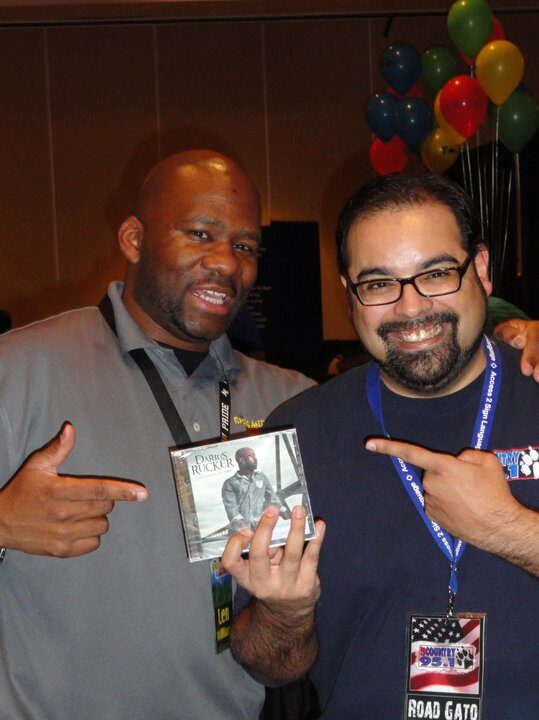

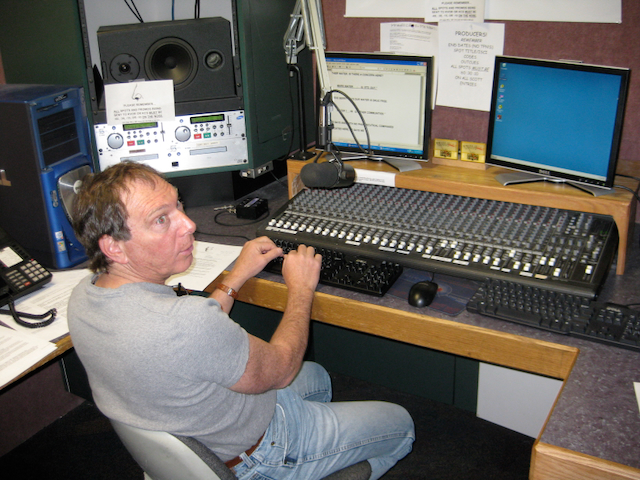
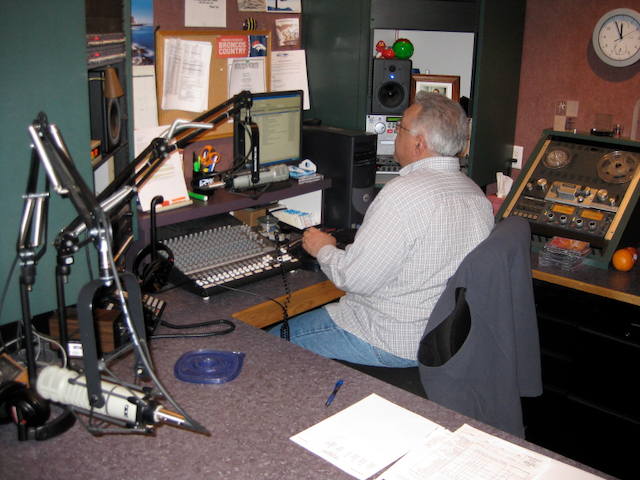
Photo · 2009
Citadel Colorado Springs Production Director Alan White
Citadel Colorado Springs Production Director Alan White.
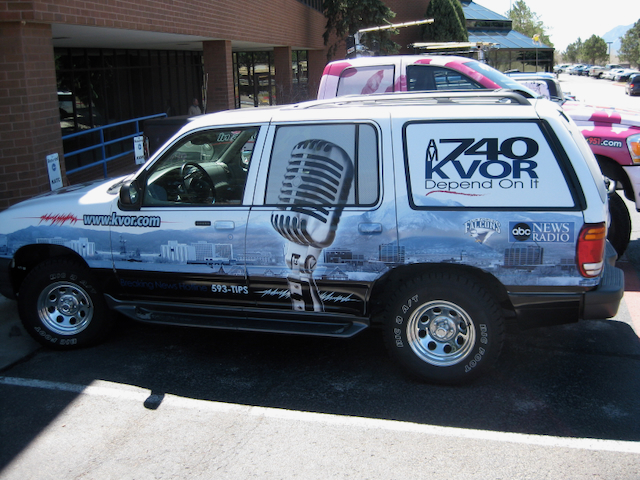
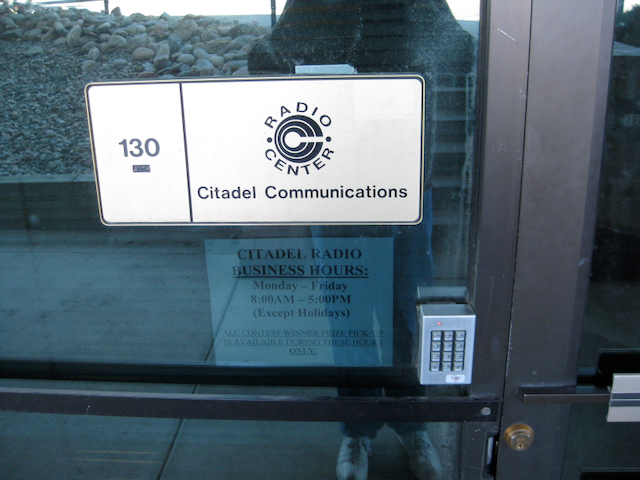

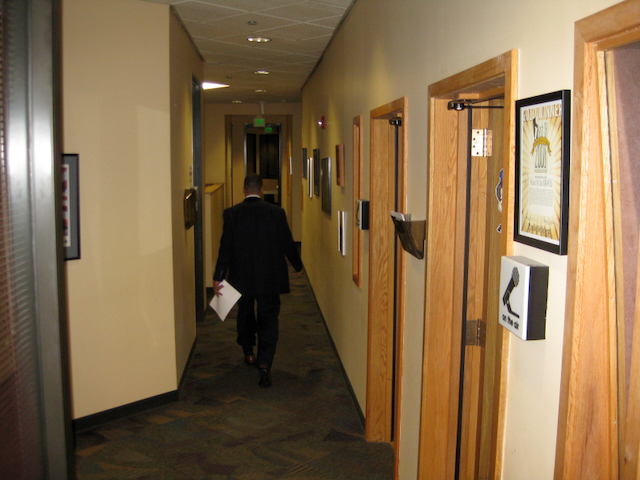
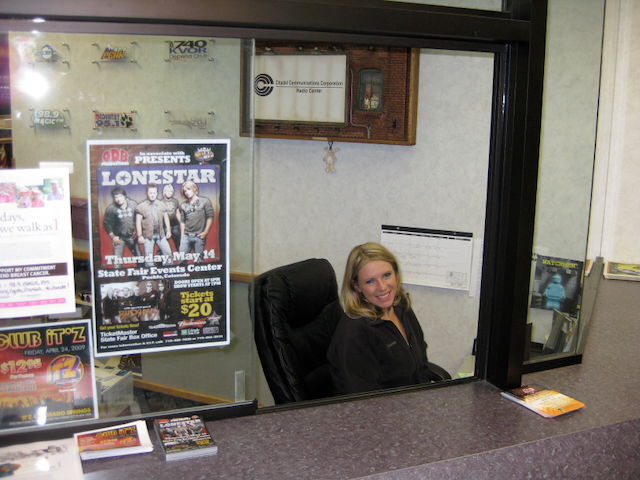
Photo · 2009
Allie Golden In Citadel Colorado Springs Lobby
Traffic Manager Allie Golden In Citadel Colorado Springs Lobby.
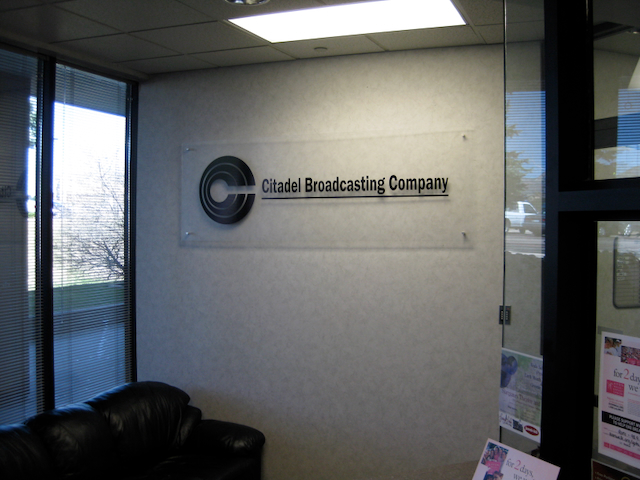
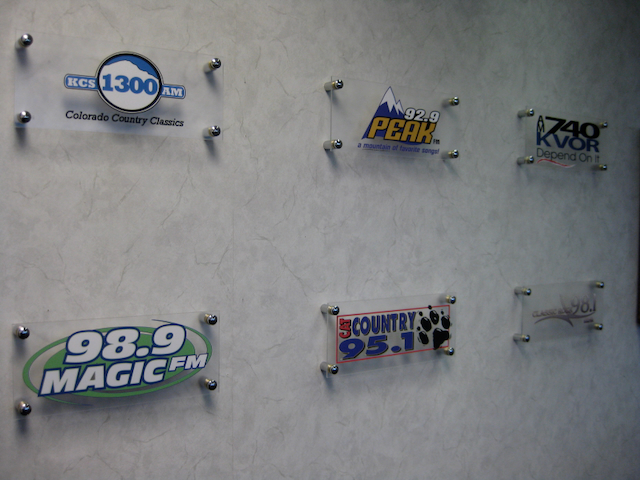
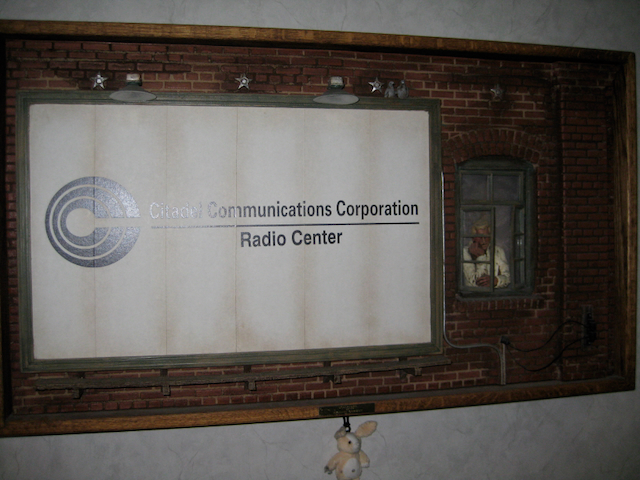
Photo · 2009
Citadel Colorado Springs lobby sign
Citadel Colorado Springs lobby sign, made by Michael Garman Galleries.

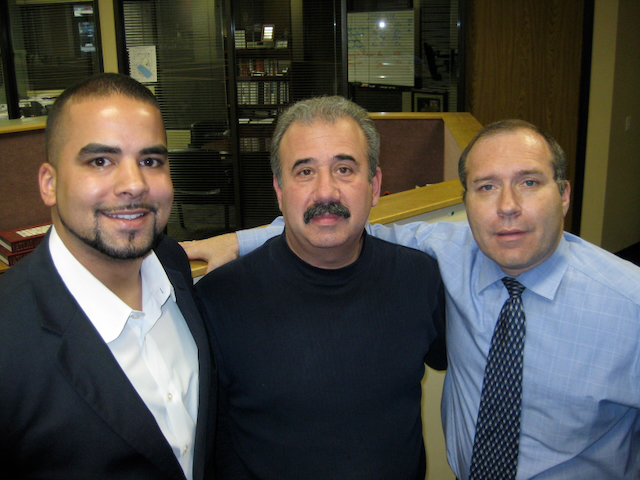

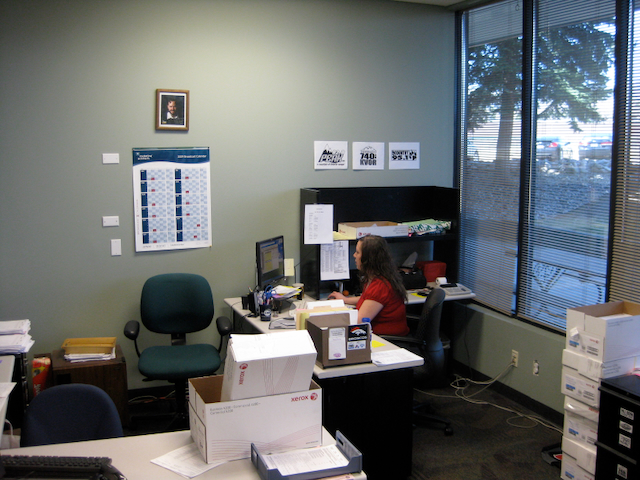

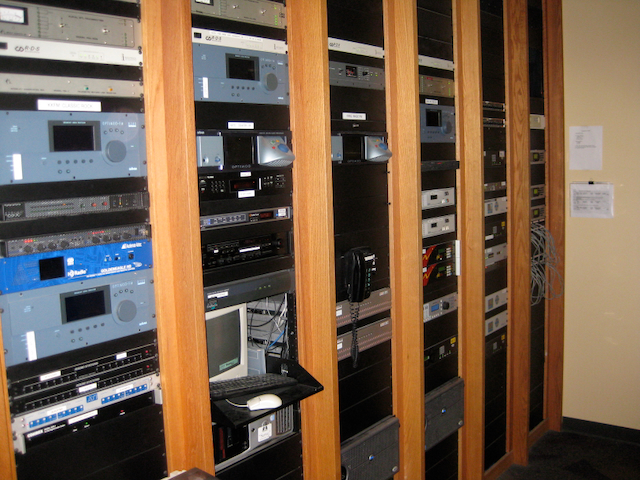
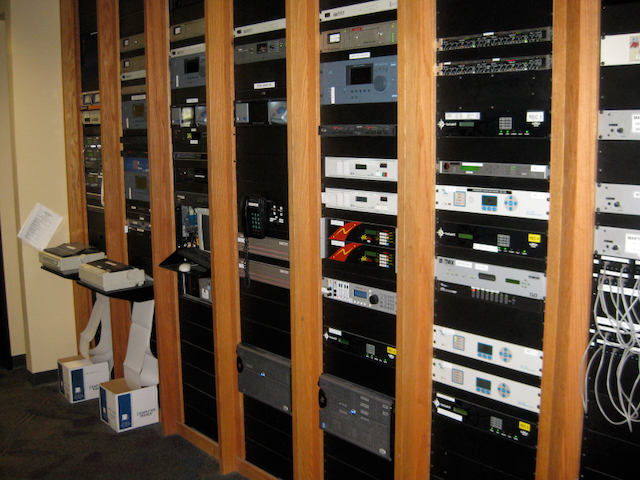
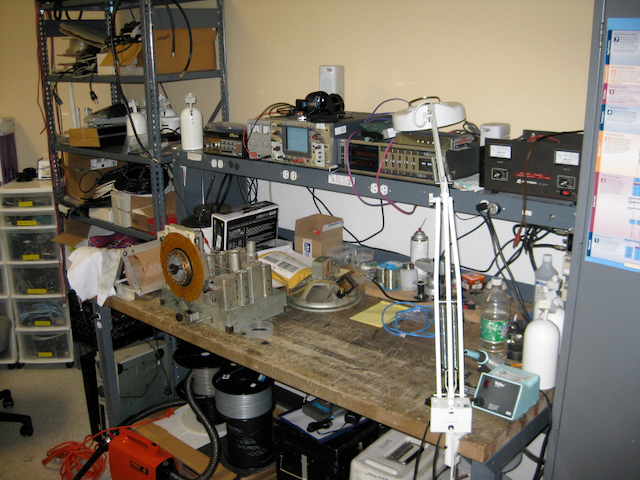
Photo · 2009
Citadel Colorado Springs Engineering Workbench
Citadel Colorado Springs Engineering Workbench.

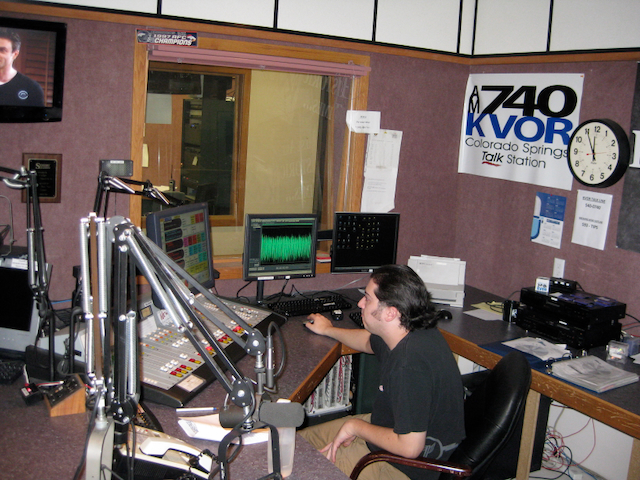
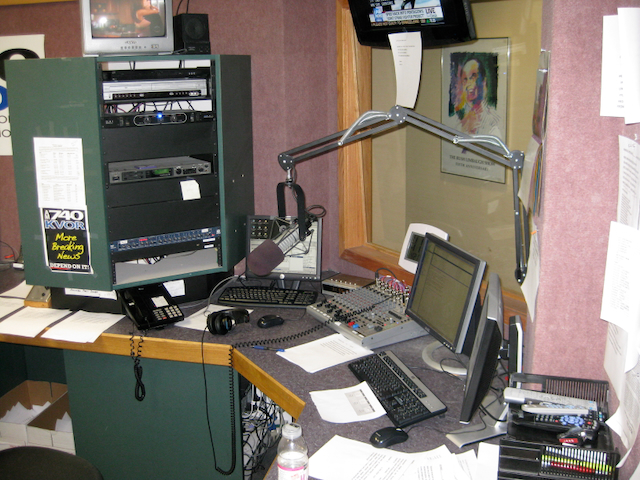
KEEP EXPLORING
Go further down the dial
HELP IMPROVE THE ARCHIVE
See something that needs a correction?
Suggest a correction or add information to this station. Nothing changes publicly until it is reviewed.